Mass culture has created an image of the creative "Archimedes." When a person shouts "Eureka!", it means a brilliant idea has suddenly and unexpectedly popped into their head. This is how the resolution of creative torment is often portrayed. It’s probably easier to understand this way, as explaining the actual creative process is very difficult — you need a vivid image.
In reality, things aren’t so naive. Even if the process of creative thinking were so random that everyone was just waiting for that one idea to come to them — how would you verify it? Is this the idea or not? In a script, we know that Archimedes is right and his "Eureka!" is justified, but in real life, millions of people come up with millions of ideas, and most of them won’t be interesting even to their relatives.
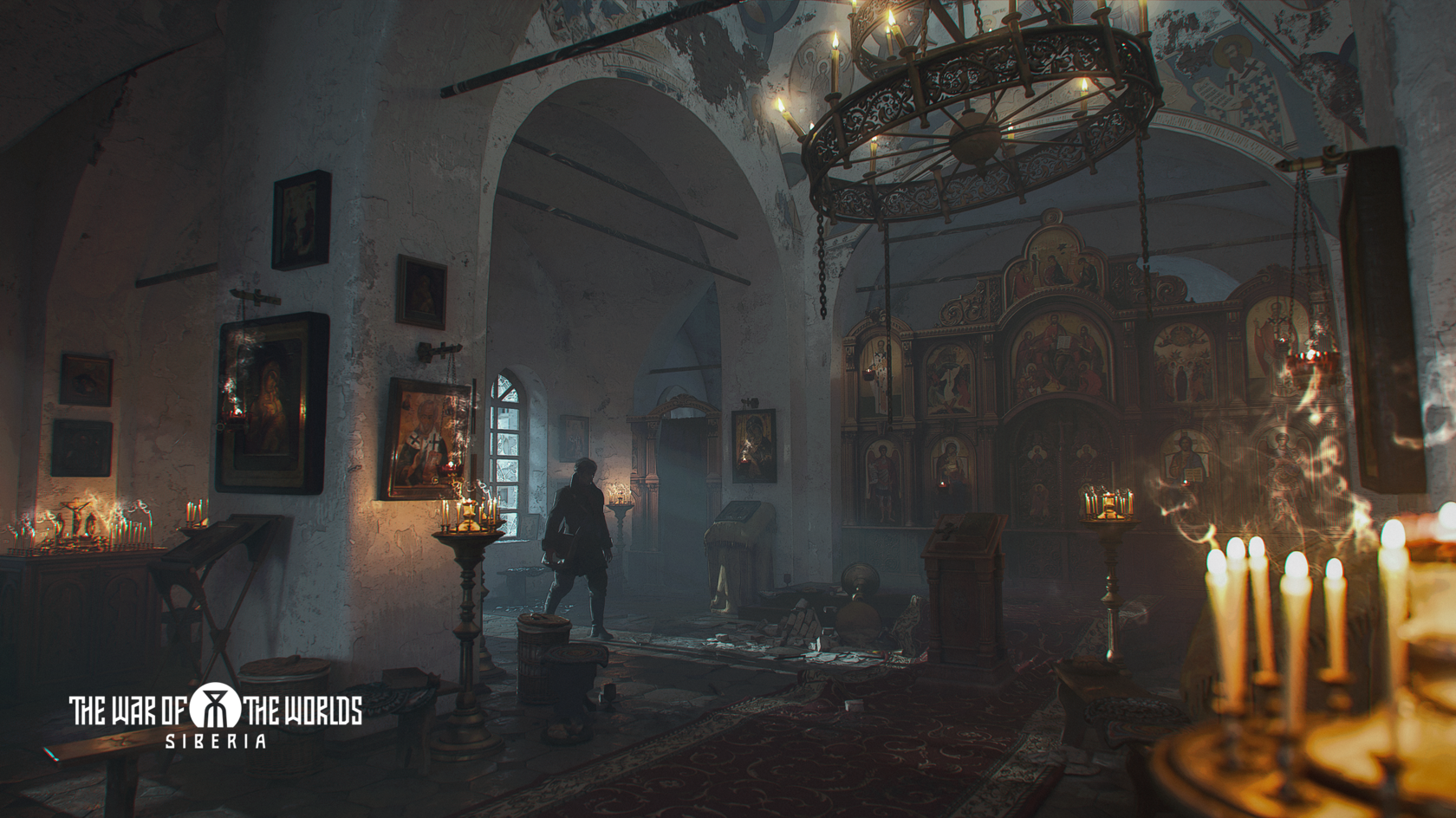
Good ideas come to those who have already put considerable effort into working on similar tasks. Chemists dream of periodic tables, engineers dream of hybrid circuits, and creative producers dream of creative projects that don’t yet exist. But for you to dream about it, you need to devote a lot of effort to it while awake. In the case of The War of the Worlds: Siberia, that’s exactly how it was. It was the culmination of several threads, some of which took 10 years.
In reality, things aren’t so naive. Even if the process of creative thinking were so random that everyone was just waiting for that one idea to come to them — how would you verify it? Is this the idea or not? In a script, we know that Archimedes is right and his "Eureka!" is justified, but in real life, millions of people come up with millions of ideas, and most of them won’t be interesting even to their relatives.
Good ideas come to those who have already put considerable effort into working on similar tasks. Chemists dream of periodic tables, engineers dream of hybrid circuits, and creative producers dream of creative projects that don’t yet exist. But for you to dream about it, you need to devote a lot of effort to it while awake. In the case of The War of the Worlds: Siberia, that’s exactly how it was. It was the culmination of several threads, some of which took 10 years.
Thread 1. Flight Sims.
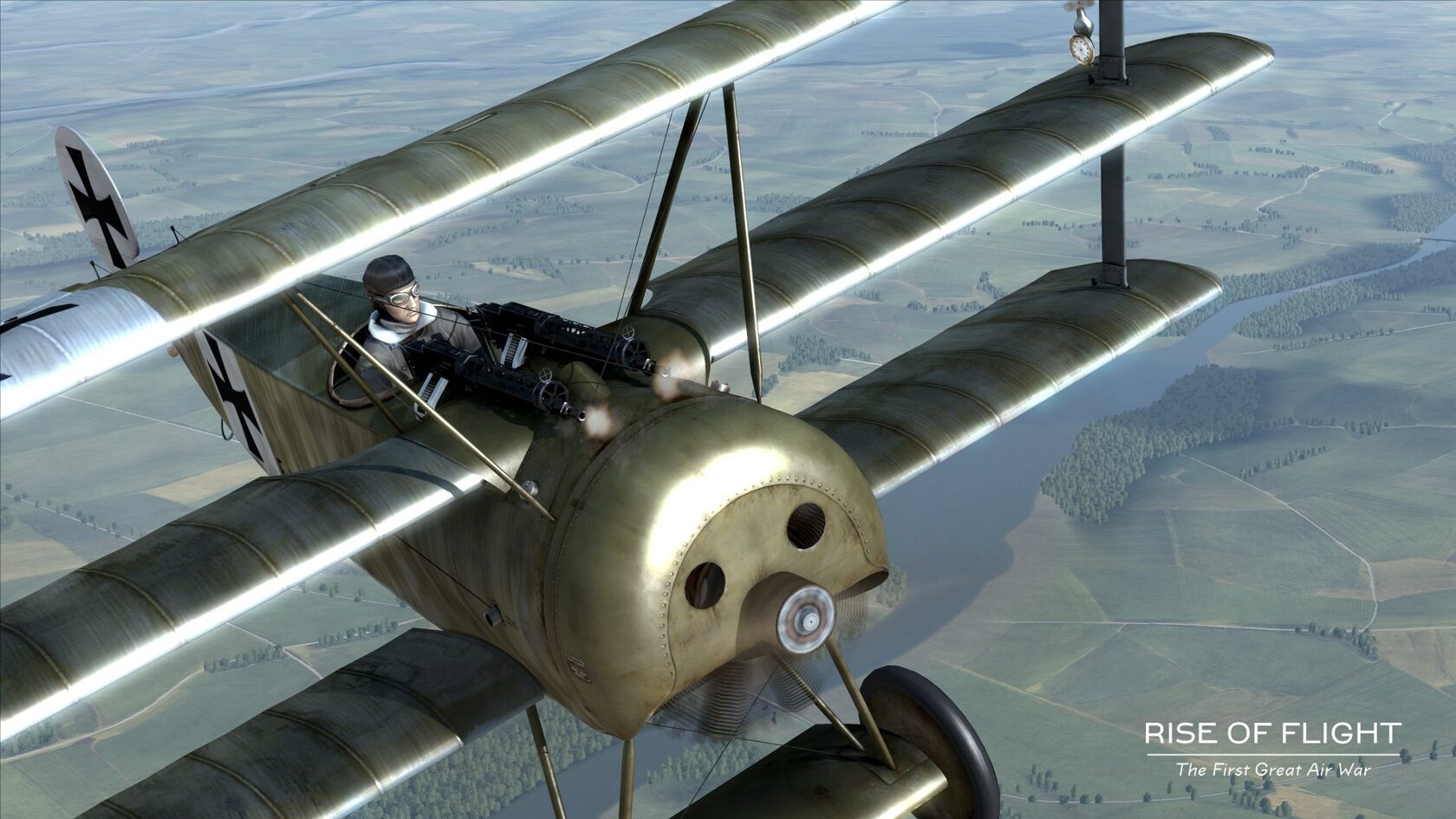
Rise of Flight: The First Great Air War. This was my first project as a creative producer. It was around 2005, we were passionate about flight simulation, simulating air combat from the Great Patriotic War (WWII), and, of course, computer technology. I was 26 at the time, and my dream was to recreate models of ALL aircraft that had ever existed. No less. We weren’t hired by 1C back then, they didn’t believe in us (which is logical, I wouldn’t have believed either), and we started thinking about what to dedicate our project to, given that modern aviation was already taken, and the WWII theme was too.
But if you add my imagination to this, a picture emerges in which aviation had a beginning. And where else to start realizing my dream if not from the very beginning? That’s how we got the idea to dedicate the project to the First World War of 1914−1918. I knew nothing about this event except for reference materials, but then I became, I think, a decent specialist on this period over the next 10 years. So, the period of the late 19th and early 20th centuries enters this equation. Now, as you can see, this choice ceases to be random. I had already worked with this period before (and this thread is still moving forward, a new IL-2 installment dedicated to the Korean War is coming out soon).
But if you add my imagination to this, a picture emerges in which aviation had a beginning. And where else to start realizing my dream if not from the very beginning? That’s how we got the idea to dedicate the project to the First World War of 1914−1918. I knew nothing about this event except for reference materials, but then I became, I think, a decent specialist on this period over the next 10 years. So, the period of the late 19th and early 20th centuries enters this equation. Now, as you can see, this choice ceases to be random. I had already worked with this period before (and this thread is still moving forward, a new IL-2 installment dedicated to the Korean War is coming out soon).
Thread 2. Technology.
What’s so wonderful about folk crafts in art? It’s that they originally grew from the idea of simple, accessible tools. This is a source of endless envy for those who work with complex computing systems. For us, everything starts with a huge, complex power plant; without it, there would be no digital world at all, so dependent are we on technology. And if you don’t have these essential technologies, you can’t create anything complex. This thread started for me with the Caliber project. It was a technically complex game, a multiplayer game, etc. While working on it, we went through the process of creating complex projects and developed the technologies and tools needed for such work (you can’t buy them in a store). And, of course, we assembled a team.
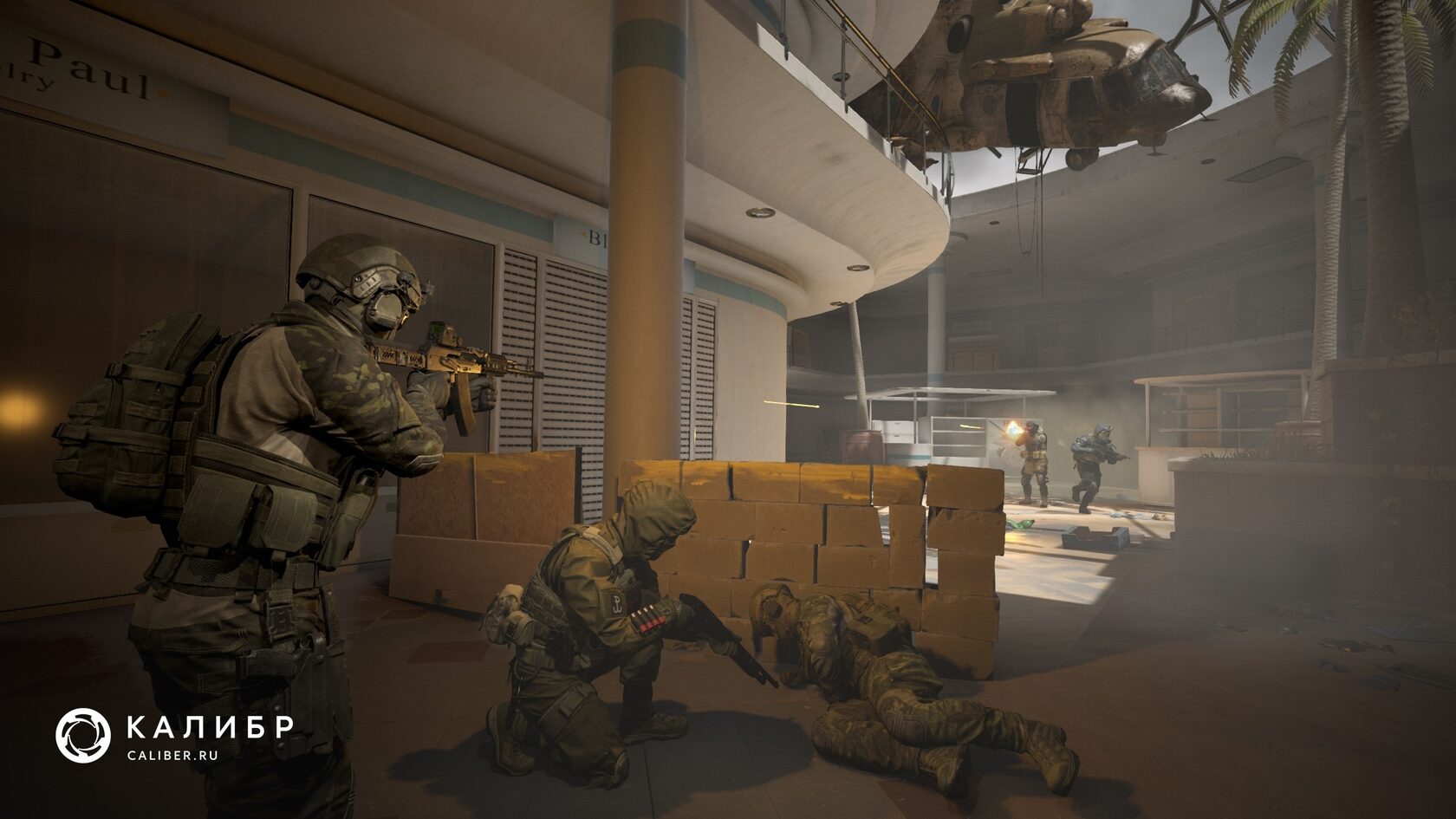
By the end of my work on Caliber, I saw that we were closely approaching the threshold of complex narrative games. But Caliber itself, as a project, doesn’t require that. It doesn’t need a plot or complex scripted cutscenes. Even its maps are like a football field — more of a sports apparatus than a creative object. A need began to form, a need to apply these new technologies and knowledge somewhere.
Interim Summary:
We have an interest and knowledge about the period of the late 19th and early 20th centuries, and we have a set of technologies for a narrative game. This isn’t The War of the Worlds: Siberia yet, but you must agree — from this point, it seems like it was obvious. That’s the trick with ideas.
Thread 3. People.
People are wealth. The more talented people you have around you, the more interesting your life is. I lead a very interesting life. I have many acquaintances, friends from very different fields of human activity. From military aircraft mechanics to practicing children’s speech therapists with 30 years of experience. And they all interest me. This is how we became friends with Sergey Burkatovsky (aka Serb). Serb worked at Wargaming (the organization’s activities are prohibited on the territory of the Russian Federation and recognized as extremist) and was making tanks. I perceived Serb not so much as a top tank manager, but as a creative person, even as an idea author and writer. We didn’t cross paths on tanks, there was no need, but we shared a few meals together, talking about history, creativity, and creative work.
And Serb moved to Moscow, having finished his work with Wargaming. And on his way, on his own business, he dropped by the office just to chat. Serb was in a daring state at the time. And quite patriotic and cheerful enough for a man of his age to be tempted into a creative "adventure." So the project found its first and one of its most influential authors. And from this moment, it can already be called The War of the Worlds: Siberia.
So, all three threads converged on a specific day, at a specific hour, into a specific thought: let’s create a project about people who found themselves in such a time (the late 19th century) in such a place (Russia, the beginning of an alien invasion). And this thought was voiced, and from that moment, it has existed on its own.
And Serb moved to Moscow, having finished his work with Wargaming. And on his way, on his own business, he dropped by the office just to chat. Serb was in a daring state at the time. And quite patriotic and cheerful enough for a man of his age to be tempted into a creative "adventure." So the project found its first and one of its most influential authors. And from this moment, it can already be called The War of the Worlds: Siberia.
So, all three threads converged on a specific day, at a specific hour, into a specific thought: let’s create a project about people who found themselves in such a time (the late 19th century) in such a place (Russia, the beginning of an alien invasion). And this thought was voiced, and from that moment, it has existed on its own.
If there had been no knowledge and image of the era, if there had been no technologies that already gave me the ability to tell stories, if there had been no team of wonderful people, if there had been no visit from a comrade capable of telling stories with the degree of realism that I wanted — there would, of course, be no project.